

Have you heard of these historical sites?
In this post, we’ll take you off the beaten path to explore some of America’s most overlooked historical sites that deserve a spot on your travel list.

When most people think of historical travel, they picture iconic landmarks like the Statue of Liberty or Gettysburg. But scattered across the country are countless lesser-known sites that hold just as much cultural and historical significance—without the crowds. From forgotten battlefields and abandoned settlements to quiet museums and preserved indigenous landmarks, these hidden gems offer a more personal, often deeper connection to the past.
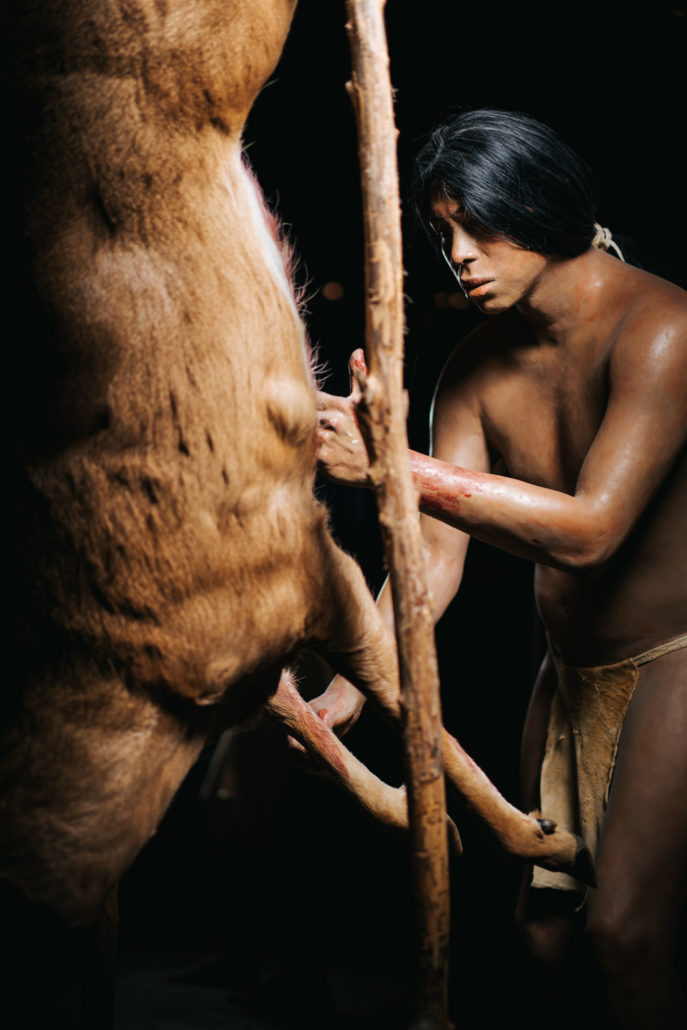
1. Cahokia Mounds – Illinois
Location: Collinsville, IL
Cost: Free
Why it matters: Preserves the site of the largest Native American city north of Mexico.
Highlight: Monk’s Mound, the largest prehistoric earthen structure in the Americas.
History: Located just outside of St. Louis in present-day Illinois, Cahokia Mounds is one of the most fascinating and often overlooked archaeological sites in North America. Once a thriving city of the Mississippian culture, Cahokia was home to tens of thousands of people around 1050–1350 AD—making it larger than London at the same time.
The site includes about 70 remaining earthen mounds out of 120 total. 1 Cahokia was a sophisticated urban center with plazas, astronomical observatories, and a complex social structure. Despite its importance, many travelers have never heard of it, making it a hidden gem for those interested in indigenous history and ancient American civilizations.
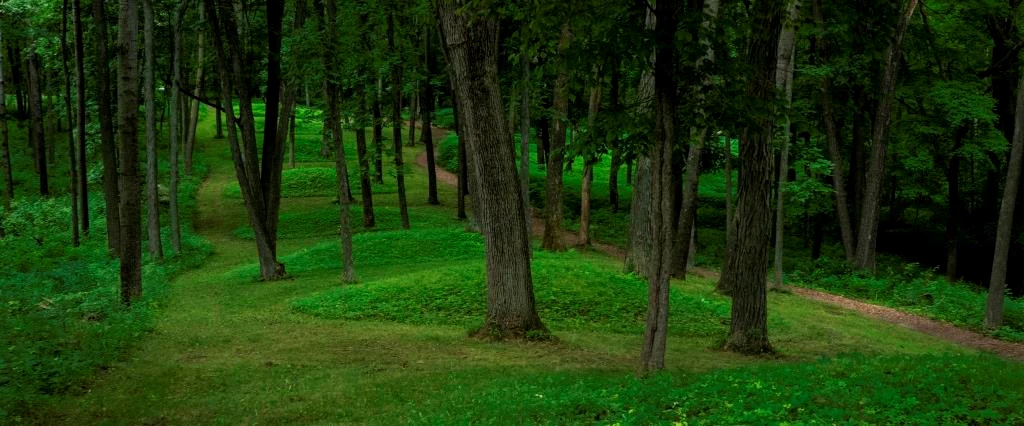
2. Effigy Mounds National Monument – Iowa
Location: Harpers Ferry, IA
Cost: Free
Why it matters: Home to over 200 prehistoric American Indian mounds.
Highlight: Features ancient Native American mounds shaped like animals.
History: An effigy, known as an animal shaped mound, was used for burial and ceremonial purposes by the Effigy Mound American Indian Culture about a thousand years ago. They are mostly along the Mississippi River in parts of Iowa, Wisconsin, Minnesota, and Illinois. 2 You’ll find a variety of shapes and animals from birds, bears, and even reptiles.

3. Sloss Furnaces – Alabama
Location: Birmingham, AL
Cost: Free (extra services available for a charge)
Why it matters: A National Historic Landmark preserving America’s industrial age.
Highlight: A hauntingly beautiful blast furnace that powered the South’s steel industry.
History: In 1871, Colonel James Withers Sloss struck a deal to complete a 67-mile gap of railroad between Birmingham and Decatur. Knowing that Birmingham had an abundance of mineral resources surrounding the area, Sloss, along with two Birmingham promoters, Henry DeBardeleben and James Aldrich, invested in a 30,000 property and formed Pratt Coal and Coke Company that quickly grew into the largest mining enterprise in the area.
In 1881, Sloss Furnace Company was founded. It soon became the worlds largest pig iron producer providing jobs for thousands of people including immigrants and slaves, earning Birmingham the nickname ‘The Magic City’. 3
4. San Esteban del Rey Mission – New Mexico
Location: Acoma Pueblo, NM
Cost: Free (extra services available for a charge)
Why it matters: One of the oldest continually inhabited communities in the U.S.
Highlight: the tribe’s Haa’ku Museum and Sky City Cultural Center which focuses on lost forms of art, language and preserving Acoma’s history.
History: This beautiful colonial structure was built sometime in the mid-1600s and was home to the Acoma people and reflects a blend of Spanish and Indigenous cultural styles. Mostly constructed of sandstone and adobe, laborers would haul supplies up the 357-ft sandstone mesa in order to complete the construction. 4

5. Camp Nelson National Monument – Kentucky
Location: Nicholasville, KY
Cost: Free
Why it matters: Major recruitment and training site for African American Union soldiers during the Civil War.
Highlight: Freedom Center telling stories of soldiers and emancipated families.
History: Camp Nelson was originally established as a Union Army supply depot and hospital during the Civil War. As time went on, it grew to become one of the largest recruitment and training centers for African American soldiers. Today, Camp Nelson stands as a powerful reminder of the fight for freedom and the role Kentucky played in shaping the nation’s history during the war. 5
6. Fort Davis National Historic Site – Texas
Location: Fort Davis, TX
Cost: Variable
Why it matters: One of the best-preserved frontier military posts from the Indian Wars.
Highlight: Original barracks and officer quarters in the Davis Mountains.
History: Once a key military post established in 1854, Fort Davis was strategically located to protect travelers, mail coaches, and settlers along the San Antonio-El Paso Road. Named after Secretary of War Jefferson Davis, the fort played a vital role in the Indian Wars, particularly in guarding against Apache and Comanche raids. After being abandoned during the Civil War, it was reoccupied in 1867 and became home to the famed Buffalo Soldiers of the 9th and 10th Cavalry. Fort Davis remained active until 1891. 6

7. Nicodemus National Historic Site – Kansas
Location: Bogue, KS
Cost: Free
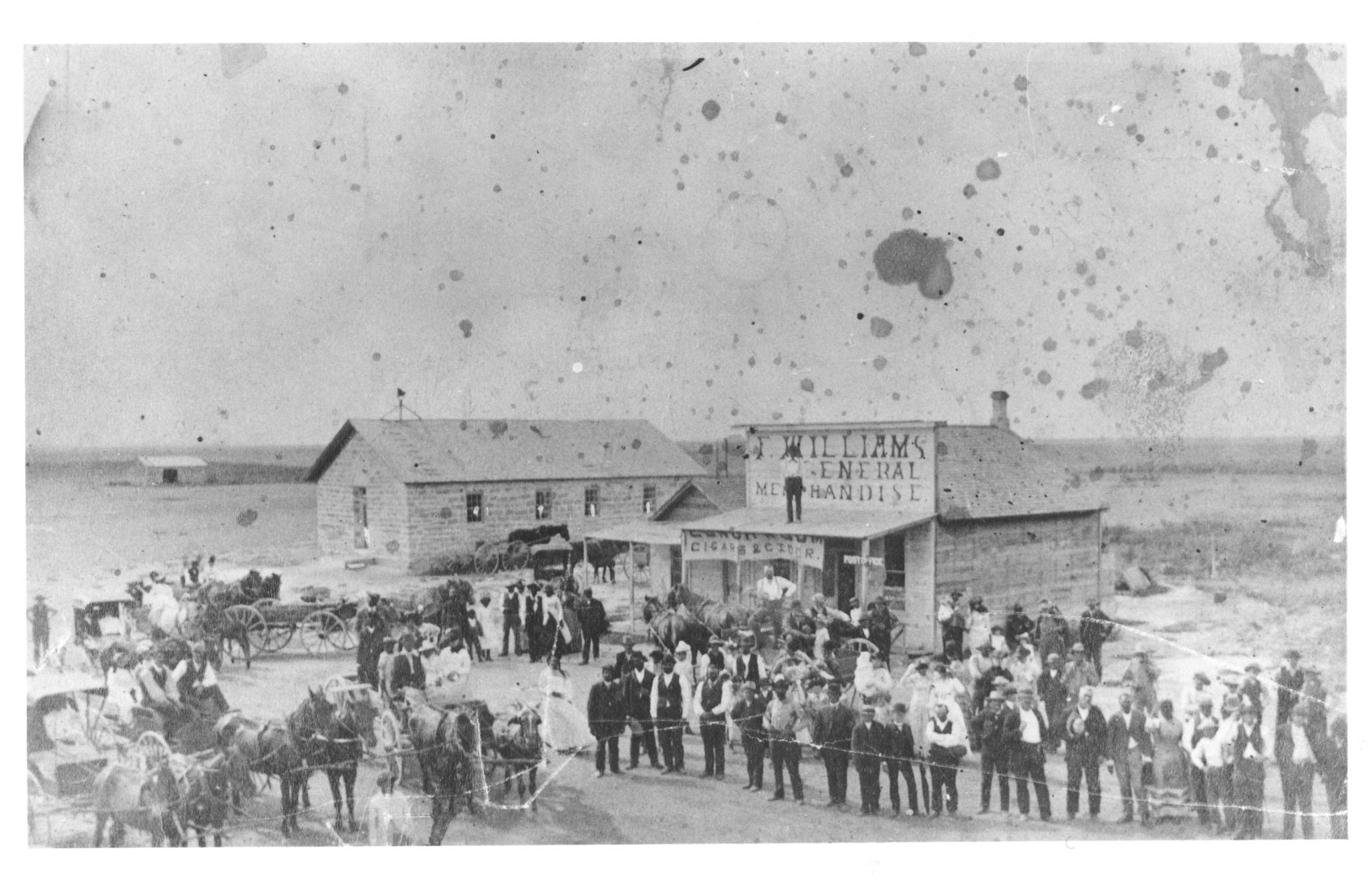
Why it matters: the oldest and only surviving Black pioneer settlement west of the Mississippi.
Highlight: A rare Black frontier town still inhabited by descendants of original settlers.
History: The Nicodemus Town Company recruited settlers primarily from Kentucky, Tennessee, and Mississippi throughout the mid-1880s offering a fresh start for those seeking refuge from the South during the Reconstruction-era. Overtime many residents eventually went back east due to the inaccessibilty to the stagecoach routes. However, those that stayed were determined to build the city up; eventually having around 400 residents in the early 1900s. 7
8. Keweenaw National Historical Park – Michigan
Location: Calumet, MI
Cost: Free
Why it matters: Chronicles America’s first major copper mining boom.
Highlight: Ghost towns, mines, and a culture shaped by immigrant labor.
History: Keweenaw National Historical Park in Michigan’s Upper Peninsula preserves the rich legacy of one of the world’s oldest and most significant copper mining regions. Indigenous peoples mined copper here over 7,000 years ago. However, it wasn’t until the 1840s when a copper boom attracted thousnads of immigrants and sparked the first major mining rush in America. 8


9. Portsmouth Naval Shipyard Museum – Virginia
Location: Portsmouth, VA
Cost: $3 (Free ages 5 and under)
Why it matters: One of the oldest shipyards in the U.S., still active today.
Highlight: Naval history, early shipbuilding, and maritime defense.
History: Founded in 1767 as Gosport Shipyard, but went through multiple name changes over the years until finally landing on Portsmouth. The shipyard was once regonized as “the most considerable” shipyard in America by the British during the American Revolution. During WWII, it employed nearly 43,000 workers and has drydocked multiple notable ships thoughtout it’s term. 9
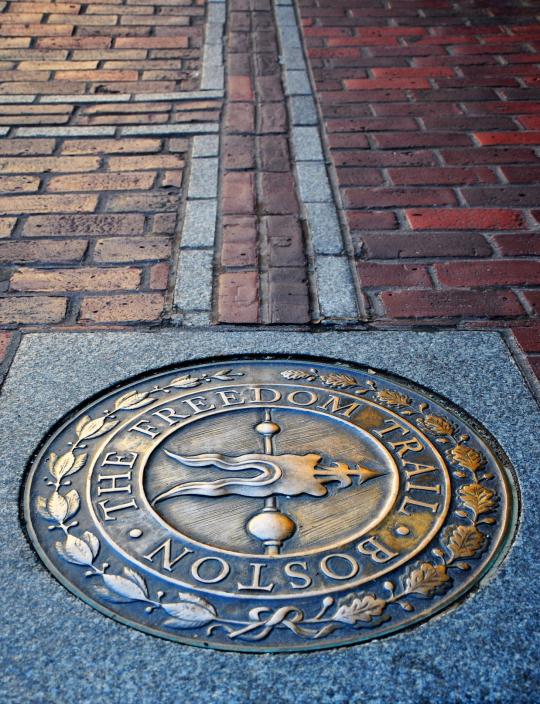
10. Freedom Trail – Boston, MA
Location: Boston, MA
Cost: Free (extra services available for a charge)
Why it matters: Preservation of Revolutionary War history in Boston
Highlight: showcases Boston’s role in the American Revolution
History: Established in 1951 by local journalist, William Schofield, the trail links 16 historically significant sites that tell the story of America’s struggle for independence. Spanning 2.5 miles, it connects 16 significant landmarks, including Faneuil Hall, the Old State House, and the Paul Revere House. 10
Citations
- Illinois Historic Reservation Division (n.d.). Cahokia Mounds. Illinois.Gov. Retrieved July 14, 2025, from https://dnrhistoric.illinois.gov/experience/sites/site.cahokia-mounds.html
- National Park Foundation (n.d.). Effigy Mounds National Monument. Retrieved July 14, 2025, from https://www.nationalparks.org/explore/parks/effigy-mounds-national-monument
- Sloss Furnaces (n.d.). History of Sloss Furnaces. Sloss. Retrieved July 14, 2025, from https://www.slossfurnaces.org/history
- San Estevan del Rey Mission Church (2016, April 15). Spanish Missions/Misiones Españolas San Estevan del Rey Mission Church — Spanish Colonial Missions of the Southwest Travel Itinerary. National Park Service. Retrieved July 15, 2025, from https://www.nps.gov/subjects/travelspanishmissions/san-estevan-del-rey-mission-church.htm
- (n.d.). Camp Nelson History & Culture. National Park Service. Retrieved July 15, 2025, from https://www.nps.gov/cane/learn/historyculture/index.htmv
- (2024, May 29). Fort Davis | History & Culture. National Park Service. Retrieved July 15, 2025, from https://www.nps.gov/foda/learn/historyculture/index.htm
- (2017, April 4). Nicodemus National Historic Site – Kansas. National Park Service. Retrieved July 15, 2025, from https://www.nps.gov/articles/nicodemus.htm?utm_source=chatgpt.com
- (2025, January 22). Keweenaw National Historical Park | History & Culture. National Park Service. Retrieved July 15, 2025, from https://www.nps.gov/articles/nicodemus.htm?utm_source=chatgpt.com
- (n.d.). Portsmouth Naval Shipyard Museum. Virginia World War II Heritage Alliance. Retrieved July 15, 2025, from https://www.wwiiheritagealliance.org/the-alliance/portsmouth-naval-shipyard-museum?utm_source=chatgpt.com
- Freedom Trail Foundation (n.d.). Freedom Trail Establishment. The Freedom Trail. Retrieved July 15, 2025, from https://www.thefreedomtrail.org/about/freedom-trail-establishment

 The Wavy Trip
Leave a comment